
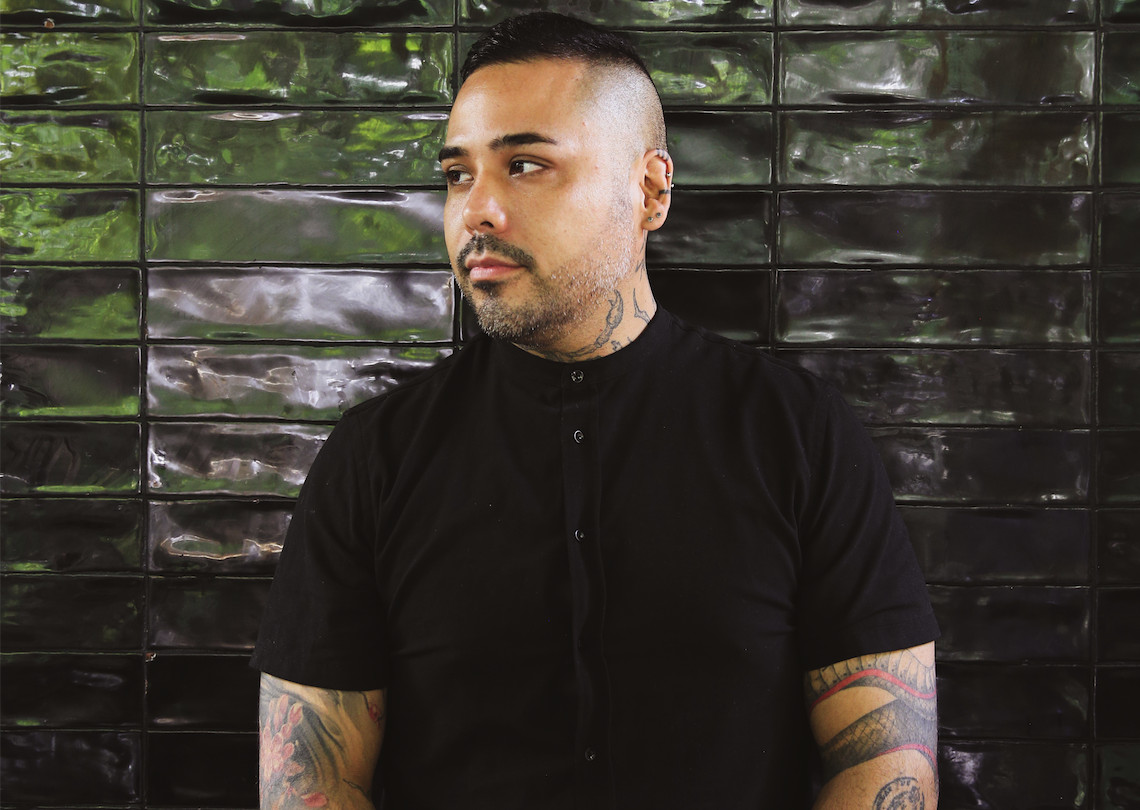

Tulum's culinary reputation is not defined solely by the arrival of acclaimed chefs or the steady opening of new restaurants. It is also the result of projects that have chosen to look first to their surroundings rather than to passing trends. ARCA is one of them. Under the direction of José Luis Hinostroza, the restaurant has developed a distinctive culinary philosophy rooted in the jungle, the Caribbean, and the rhythm of the seasons, where fire is not a stylistic flourish but the guiding force behind a cuisine deeply connected to its environment.
After working in some of the world's most influential kitchens—including Noma—Hinostroza returned to Mexico with a clear conviction: innovation is not about reinventing Mexican cuisine but about understanding it more deeply. In this conversation, he reflects on Tulum's evolution as a culinary destination, the importance of building lasting relationships with local producers, and the responsibility of creating projects that remain authentic while staying in dialogue with the place they call home.
ARCA has become one of Tulum's defining culinary destinations. How do you ensure that every dish tells the story of the region rather than simply delivering a fine dining experience?
For me, the most important thing is that every dish is rooted in this place. At ARCA, we're not trying to recreate an international fine dining concept. Instead, we focus on understanding where we are: the jungle, the Caribbean, the farmers, the fishermen, the fire, the humidity, and the changing seasons. Every ingredient has its own story, and our job is to honor it, transform it only as much as necessary, and allow guests to experience Tulum in an honest way. Technique is always present, but it should never take precedence over the ingredient or the land it comes from.
Your career includes internationally renowned kitchens such as Noma. What lessons from that experience continue to shape the way you approach Mexican cuisine today?
Working at places like Noma taught me how to observe with greater depth, to question everything, to research, and to understand that a cuisine can be contemporary without losing its identity. At the same time, it made me appreciate my own roots even more. Today, at ARCA, that experience translates into looking at Mexico with the same curiosity and respect that other countries have for their own ingredients. Mexico possesses extraordinary culinary wealth. We don't need to disguise it—we need to understand it, work with it, and tell its story through our own voice.
Tulum has evolved from a beach destination into an internationally recognized culinary hub. What opportunities and challenges do you see for the next generation of chefs looking to build projects here?
The opportunity is enormous because Tulum has a unique energy. There's tourism, exceptional ingredients, talented people, and a community that continues to grow. The challenge, however, is to develop projects responsibly. It's not simply about opening a beautiful restaurant. It's about creating something that genuinely belongs here—something that respects the community, creates jobs, works closely with local producers, and helps preserve what makes this destination so special. The next generation has the chance to build an incredibly powerful culinary scene, but it has to do so with purpose and awareness, not just ambition.
At ARCA, fire is much more than a cooking technique. What does it represent as a creative language, and how does it influence each seasonal menu?
José Luis Hinostroza: Fire is the heart of ARCA. To me, it represents something deeply primal, deeply human, and profoundly Mexican. It's not just a cooking method; it's a way of expressing flavor, texture, smoke, time, and character. Fire changes every day, just like the jungle and the surrounding ingredients. That forces us to stay present, cook intuitively, and build each menu around what the season naturally provides. Sometimes the flavor is bold, sometimes it's subtle, but it always gives every dish a distinct identity.
Much of ARCA's success is built on its relationship with local producers. How has that network evolved, and what role does it play in the sustainability of your business?
Initially, it was much more difficult. We had to search, knock on doors, and learn who was farming, fishing, or producing in ways that aligned with what we wanted to create. Over the years, that network has become one of ARCA's greatest strengths. It's no longer simply a commercial relationship—it's a partnership. We depend on them, and they grow alongside us. For me, sustainability begins there: building genuine relationships, paying fair prices, adapting to the seasons, and creating a cuisine that remains connected to its surroundings.
Beyond ARCA, you've been involved in new hospitality and culinary ventures. What do you look for when deciding to embark on a new project, and what opportunities do you see for Mexican cuisine in the years ahead?
Whenever I join a new project, the first thing I look for is soul. I'm not interested in creating empty concepts or repeating formulas. I want to understand the place, the people, and the community so we can build something with its own identity.
Whether it's ARCA, Mestixa, a taquería, or a hospitality project, there always has to be an honest reason behind it.
I believe Mexican cuisine is at a pivotal moment. It's no longer just about presenting our food to the world—it's about telling our story on our own terms.
We have extraordinary ingredients, techniques, history, talent, and a new generation of chefs with remarkable energy. The opportunity now is to keep growing without losing our identity, without sacrificing flavor, and without forgetting where we come from.
And receive exclusive information to travel through Mexico in style!