
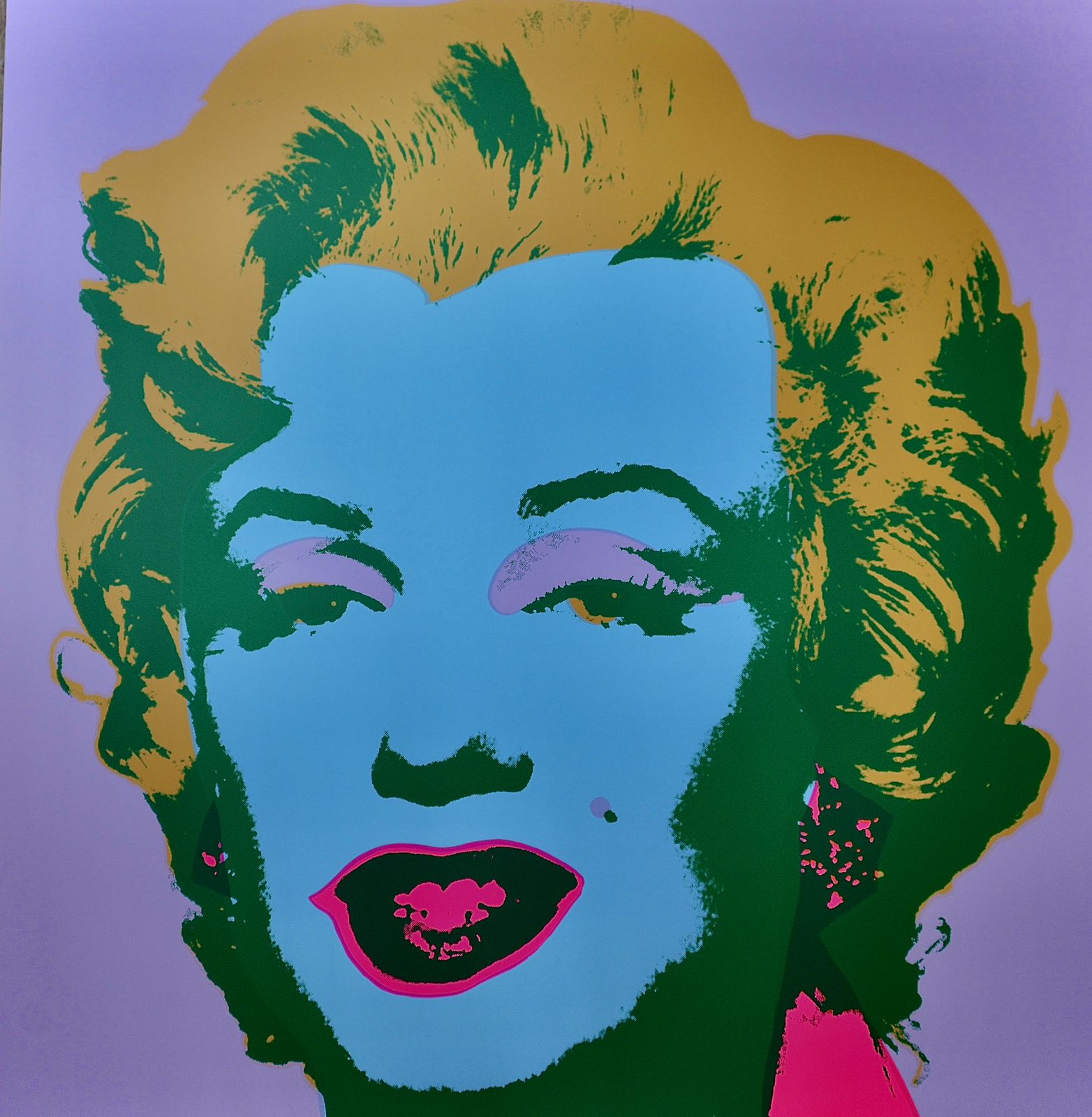

Just over two hours from Mexico City, Querétaro has spent years building a new cultural identity. Known for its colonial architecture, vineyards, and growing culinary scene, the city now has another reason to attract international travelers: an ambitious exhibition that uses the universe of Andy Warhol to explore the creative future of Mexico.
From May 22 through July 26, the Museo de Arte Contemporáneo de Querétaro (MACQ) will present After Warhol, an exhibition featuring works and special pieces inspired by the legacy of the American artist, while moving far beyond the idea of a traditional retrospective.
Curated by Juan José Díaz Infante Casasus, the exhibition offers a broader perspective on Andy Warhol—not only as a central figure of pop art but also as one of the first creatives capable of erasing the boundaries between art, advertising, media, fashion, music, and business. It is a vision that feels especially relevant today, in an era where creativity has become one of the world’s most powerful industries.
But perhaps what makes this cultural conversation most compelling is the context in which it takes place. Because After Warhol also serves as the perfect excuse to discover a different side of Querétaro—one that feels more contemporary, dynamic, and cosmopolitan than many travelers might expect.
Over the past several years, the city has evolved into one of Mexico’s most interesting creative hubs. Boutique hotels, independent galleries, innovative culinary projects, and cultural spaces now coexist with baroque streets, historic plazas, and colonial mansions recognized as UNESCO World Heritage sites.
The exhibition is part of an initiative led by the Cluster de Industrias Creativas, an organization seeking to position the state as a national reference for cultural innovation and the creative economy. Through partnerships with businesses, artists, academics, and institutions, the project aims to demonstrate that art can be much more than an aesthetic experience—it can also become a driver of economic development and urban transformation.
In that sense, Warhol’s figure becomes particularly symbolic. Long before the concept of the “creative economy” existed, the artist understood how to connect culture, commerce, and visual identity in a way that redefined the twentieth century. After Warhol revisits that conversation from a Mexican perspective and places it within a city that is actively reinventing itself through creativity.
For international visitors, the experience also offers a rare opportunity: discovering an emerging art scene outside Latin America’s more saturated cultural circuits. There are no endless lines or overwhelming crowds here. Instead, there is time to wander through museums, explore cafés and galleries, visit nearby vineyards, and experience how a historic city is beginning to write its next cultural chapter.
Another reason the exhibition stands out is that it will be completely free and open to the public, reinforcing the organizers’ commitment to bringing contemporary art to new audiences and making culture a more accessible experience.
This summer, Querétaro is doing more than showcasing works connected to one of the world’s most influential artists. It is also presenting a new version of itself—a city where tradition, design, innovation, and contemporary art coexist naturally.
And for travelers looking for new reasons to explore Mexico, After Warhol may be exactly that: the perfect excuse to discover one of the country’s most compelling cultural destinations.
And receive exclusive information to travel through Mexico in style!